
Dimraeth enemies: wolf packs, dryads and fighting outnumbered
One player rates wolves the most dangerous regular enemy in Dimraeth: the dash attack covers a lot of ground fast and runs straight into a claw swipe, and wolves travel in packs that often have a dryad buffing them. Their advice is to kill the wolves first. Players who stopped dying fixed it off the battlefield: one side of the skill tree instead of an even split, an area skill that interrupts the lunge, and movement instead of parries once they are outnumbered.
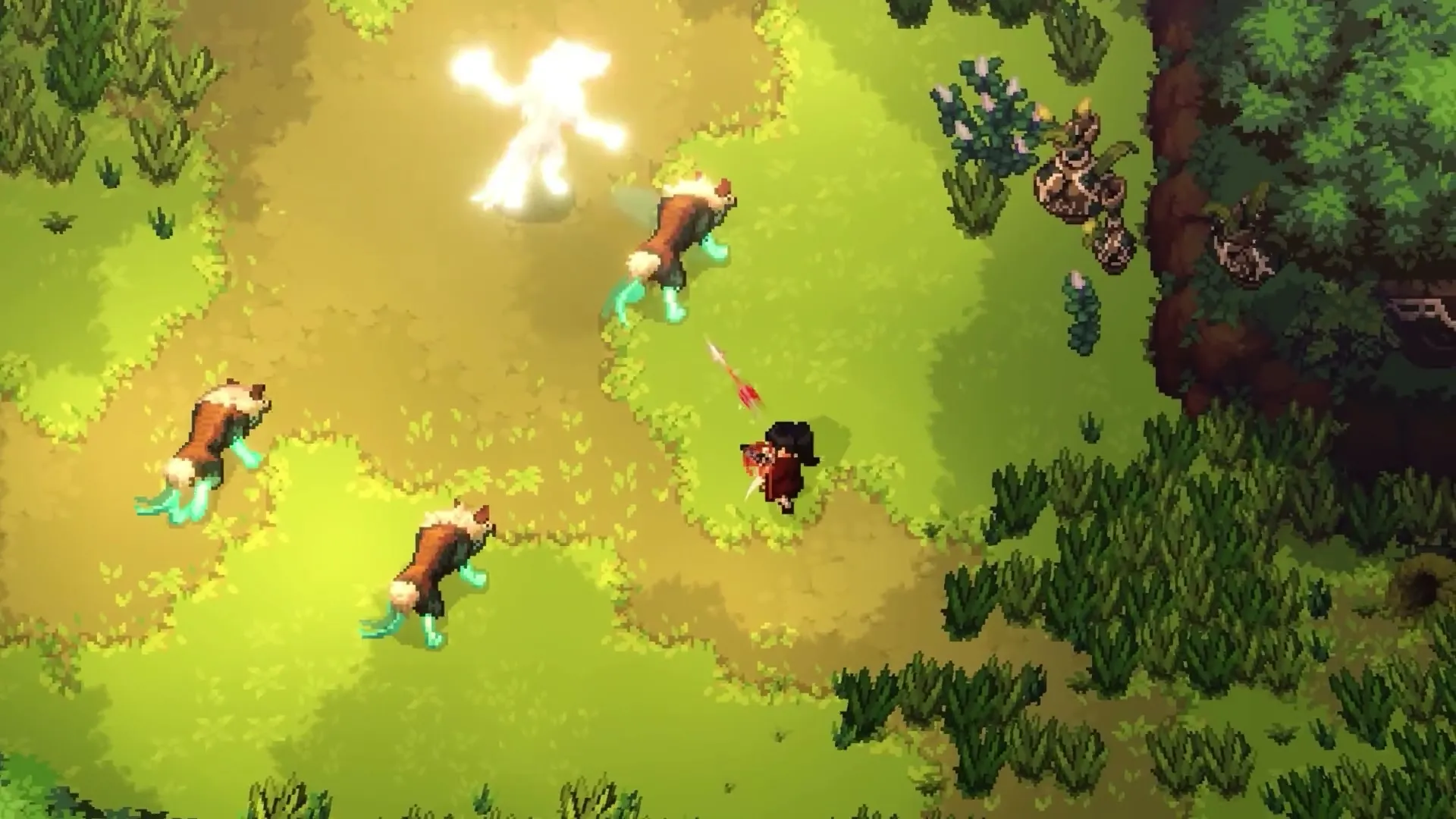
Kill the wolves first
Wolves chain a lunge straight into a claw swipe. Every other regular enemy leaves long gaps between attacks and cannot keep up that pressure, so the timing you learned on goblins does not transfer. Take the wolves down first, then mop up whatever is left. How guard, parry and Perfect Vanish work is on Dimraeth combat: stamina, parry and Perfect Vanish.
Enemy by enemy: what it does, what players do
| Enemy | What it does | What to do about it |
|---|---|---|
| Wolves | A dash attack with long reach, immediately followed by a claw swipe. They arrive in packs of 3 to 5, often with a dryad nearby and sometimes with caster support. One player reports a regular wolf killing a 200 HP character in 3 hits. | Kill the wolves before anything else in the fight; interrupt the lunge with an area skill; keep parries for one-on-one and keep moving when there are several. |
| The ranged ones | Shoot while the rest of the pack closes on you. Players report sketchy arrow hitboxes. | Out-damage them: a player with bleed talents running reports shredding packs that include them. |
| The poison ones | Turn up alongside the ranged ones, a combination players single out as the worst. One area has black slimes and black wolves that all poison you. | No specific counter; handle them as part of the pack. |
| Dryads | Buff a pack from behind it, and in one main-quest fight they keep coming in waves. More than one dryad plus a wolf group is where solo players report going down. | A finished damage build, such as bleed stacks, lets players shred packs that include dryads. |
| Treants | Hit slowly, with long gaps, so their attacks are easy to avoid. | Players rate a treant an easier fight than a wolf pack. |
| Goblin Brute | A tackle, immediately followed by a slam. That back-to-back pattern is what it shares with wolves. | Treat it like a wolf: the chained follow-up, not the damage of one hit, is the danger. |
| Goop and small goblins | Fill the first couple of hours. Easy. | Nothing special. |
| Elites | Part of the Early Access additions: “new elites, new dungeons, difficulty levels”. One player’s estimate of their damage on Hard is below. | For the tier above, see Dimraeth bosses and bounties. |
Fighting a wolf pack
The dash is very fast and has long range. Parrying it is the only reliable answer one-on-one, but miss the parry window and you end up scrambling to block the claw swipe that follows. Three wolves at once, with a dryad buffing them, is brutal. Some players prefer a giant treant to a wolf pack.
What works, in order of how much it matters:
- Interrupt with area skills. An AoE skill that interrupts the lunges and swipes keeps a pack in check.
- Parry only one-on-one. In a pack, focusing on parries lets the wolves gang up and attack one after another.
- Keep moving. Positioning and constant movement beat block, parry and dodge, which drain stamina fast unless your build is invested in it. Solo, you are outnumbered most of the time, and until you have enough points in the talent tree, position is what keeps you alive.
- Break the pack up. On an Elf rogue, disengage with Vanishing Strike and go for pickoffs.
Which skills give you an area interrupt depends on where you spent points; see the Dimraeth skill tree and the Dimraeth builds creators recorded.
The Wildwood: dryads, treants and a fight that resets
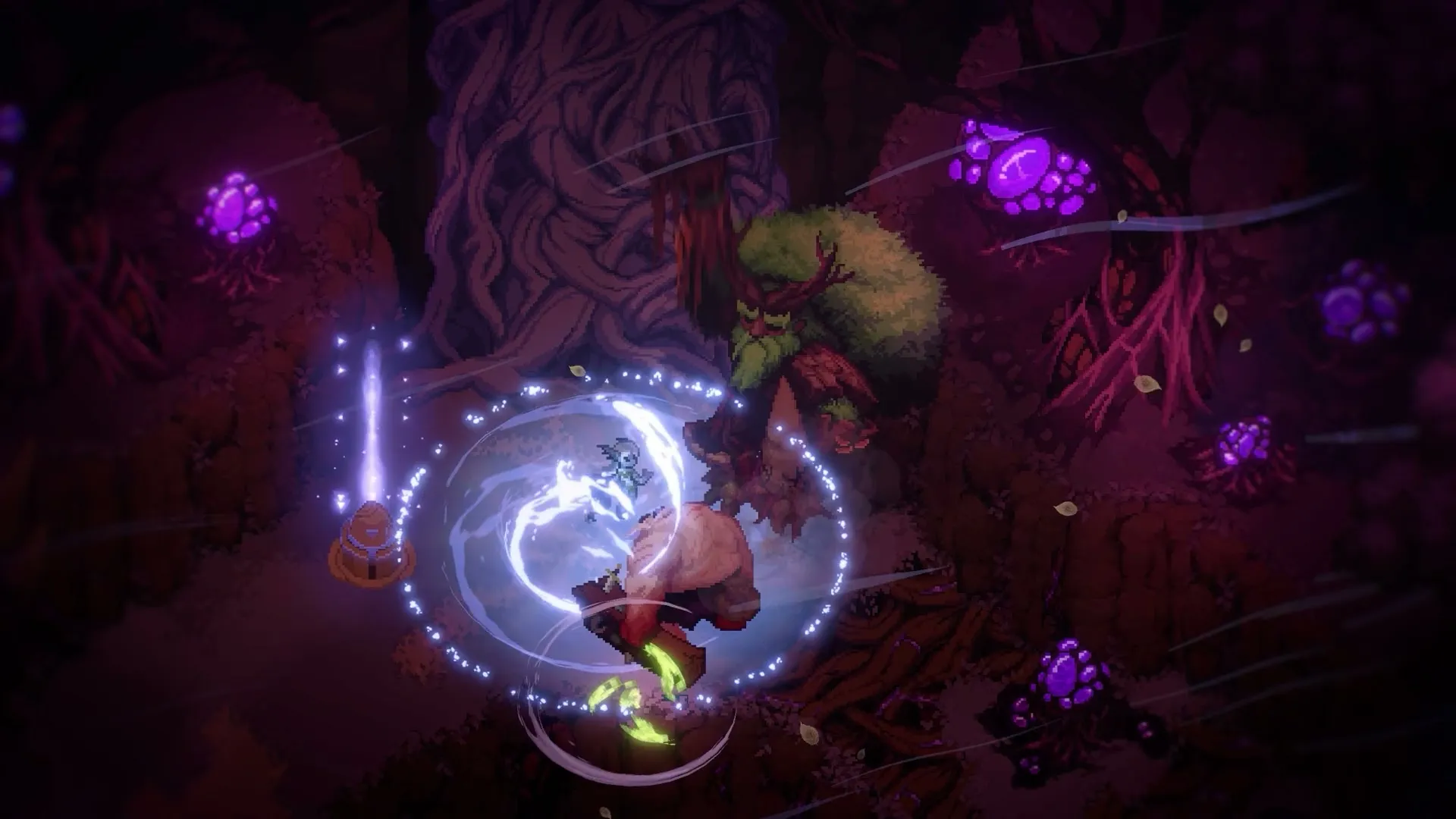
The difficulty jumps in the Wildwood, where wolves and dryads start showing up and put up much more of a fight. A solo Elf rogue on Easy reports dying far too often once dryads and treants became regular. Where the Wildwood sits relative to Earlwood and the Goblin Caves is on the Dimraeth map and regions.
The quest to destroy the corrupted heart punishes a loss hardest: dryads keep coming out in waves, and each death resets the waves. The general fix below, focusing one side of the skill tree, is what got players to where a rotation clears a pack of normal enemies.
What damage looks like on Hard
By one player’s estimate on Hard, normal mobs do 75 damage, elites around 100 to 150, and bosses take out more than 75% of your HP. Hard is a world setting you cannot change afterwards; see Dimraeth difficulty settings.
Aim for stagger: mobs have a poise bar that breaks when you hit them enough, stunning them and opening them up for big hits. A broken poise bar is a window for damage rather than a defensive move.
What the players who stopped dying changed
- Stop splitting the skill tree
Focus on one side of the tree and take the skills tied to that side. Two players on Hard, an Elf Magician and a Minotaur Brawler, landed on this independently. Spreading points evenly across damage, stamina and health is the mistake it fixes.
- Understand where damage comes from
Weapons give no incremental damage, so your damage upgrades come from skill nodes. A better sword does not carry you past a wolf pack; nodes do. What a build is made of is on Dimraeth builds.
- Get an area skill that interrupts
Use it on the lunges and the swipes.
- Move instead of parrying when outnumbered
Parries are for one-on-one. Use spacing, positioning and your defensive instead of spamming attacks. When the timing does land, block and parry give you invincibility frames. The timing windows and what each defensive costs are on Dimraeth combat.
- Eat before the fight, not after it
Food is the buff you can carry into a wave fight: it can raise max health, concentration and stamina, boost regeneration, and add elemental resistances. Recipes and the cooking station are on Dimraeth crafting and cooking.
- Or change the world you are fighting in
Difficulty is fixed per world, so the lever is a new world on an easier setting or a friend. Dying once an hour is more fun than dying 30 times. The other option is not fighting outnumbered at all; see Dimraeth co-op and multiplayer.
There is also the blunt route: reroll into a proven starting build. One player rerolled from a level 17 Human Shadow to a build a creator shared for new and struggling players, and steamrolled the available content in about 15 hours. In a game where damage lives in the tree, rerolling is a real answer.
Open-world mini-bosses
Some of the things that kill you in the open world are not regular spawns. There is a wolf at the Beast-Occupied Ruins and a Dryad mini-boss in the south-east part of the poison forest, the area with black slimes and black wolves. Named bosses, elites and the repeatable bounties they turn into are on Dimraeth bosses.
The enemy families
Alaric’s briefing names them: “The forest has turned against us. Wolves. Dryads. Treants. Everything that used to warn now strikes. And the goblins are back in numbers.” Add slimes, and that is most of what you fight in the first zone. If you have not met the wolves yet, the route that takes you to them is on the Dimraeth beginner guide.